Writing ideas · 4 min read
12 classbook themes that leave room for original voices
A shared theme should connect your class—not make every page sound alike.
Read the article → Young AuthorsUNIVERSITYLiteracy. Creativity. Publishing.
A new chapter starts in your classroom.
Get my free teacher kit →Classroom publishing · 5 min read
Turn one shared theme into a project with room for every student’s ideas.
A collaborative classbook brings individual contributions into one shared project. Begin by explaining the difference between a classbook and an individual book: each child contributes to a collective work, rather than creating a separate title. Show a simple page mockup and invite students to imagine what a reader might discover in their book.
The best starting theme gives your class something in common without making every contribution the same. “Our imaginary neighborhood” could include maps, poems, descriptions, or a drawing with a student-dictated sentence. Invite ideas, group related suggestions, and let the class help choose. Avoid a theme so narrow that students have little choice about what to create.
Choose a classroom target for a finished draft before promising a delivery date. Break the work into brainstorming, drafting, illustration, revision, teacher review, and celebration. Confirm production timing directly with the publishing program. Leave room for absences and for children who need more time to share their ideas. A planning sheet is a guide, not a race.
Your opening activity could be a conversation, a sketch, or a list of interesting words. Ask, “What would you like our reader to know?” Students can answer through speech, writing, drawing, AAC, or another familiar communication method. Once you have a spark from each contributor, plan how those ideas can live together on the page. Download the starter kit for a roadmap, page planner, and review checklist.
Pair this article with a free classroom PDF from Young Authors University.
Get the free resource →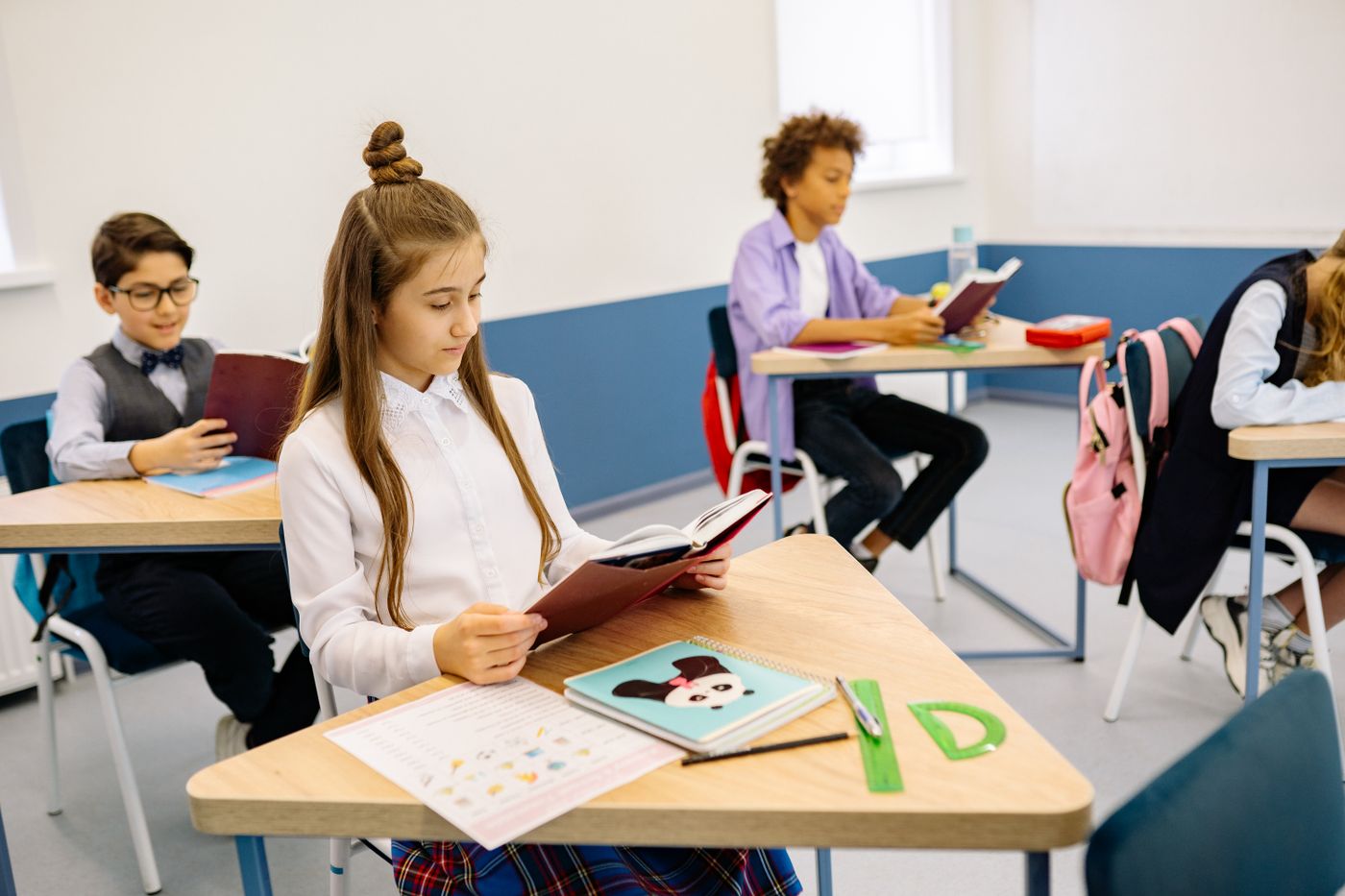 Writing ideas
Writing ideas · 4 min read
A shared theme should connect your class—not make every page sound alike.
Read the article →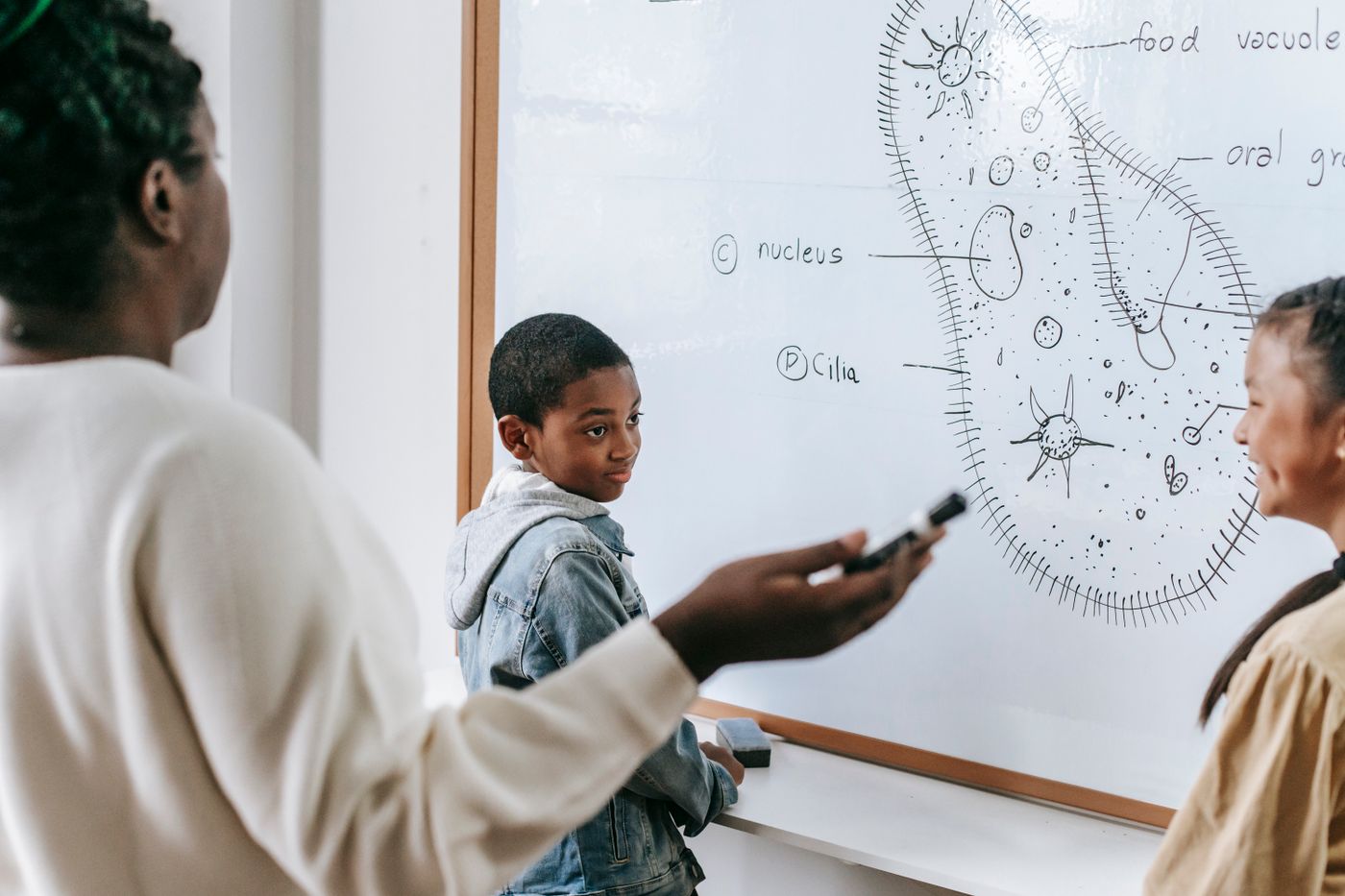 Inclusive classrooms
Inclusive classrooms · 5 min read
Plan contributions through drawing, AAC, dictation, typing, and supported writing.
Read the article → Writing ideas
Writing ideas · 4 min read
Use three manageable moments to help a story begin to take shape.
Read the article →