Classroom publishing · 5 min read
Your first classbook: a practical place to start
Turn one shared theme into a project with room for every student’s ideas.
Read the article → Young AuthorsUNIVERSITYLiteracy. Creativity. Publishing.
A new chapter starts in your classroom.
Get my free teacher kit →Classroom publishing · 4 min read
Explain participation, permissions, and optional purchases in plain language.
Open with what students will create and learn. Say whether the group is making one collaborative classbook or separate individual books. Describe the theme and classroom work in everyday language. Families should understand the project before they encounter an order form or purchasing decision.
Be explicit about what classroom participation involves and what a family may choose to buy. Do not make an optional purchase sound required. Only include confirmed prices, package contents, deadlines, and delivery information. If production details are still being arranged, tell families when to expect the next update instead of guessing.
A general project letter does not replace permissions for publishing student work, names, images, or recordings. Follow school policies and confirm the requirements for your project. Give families a clear contact for questions and a private way to raise concerns. Avoid collecting sensitive student information through a general website inquiry.
Use a school-approved channel families already recognize. Decide when you will share a draft milestone, confirmed ordering details, and celebration plans. Keep each message focused on what families need to know or do next. The family letter download gives you adaptable wording plus a planning page; review it against your school’s procedures before sending.
Pair this article with a free classroom PDF from Young Authors University.
Get the free resource →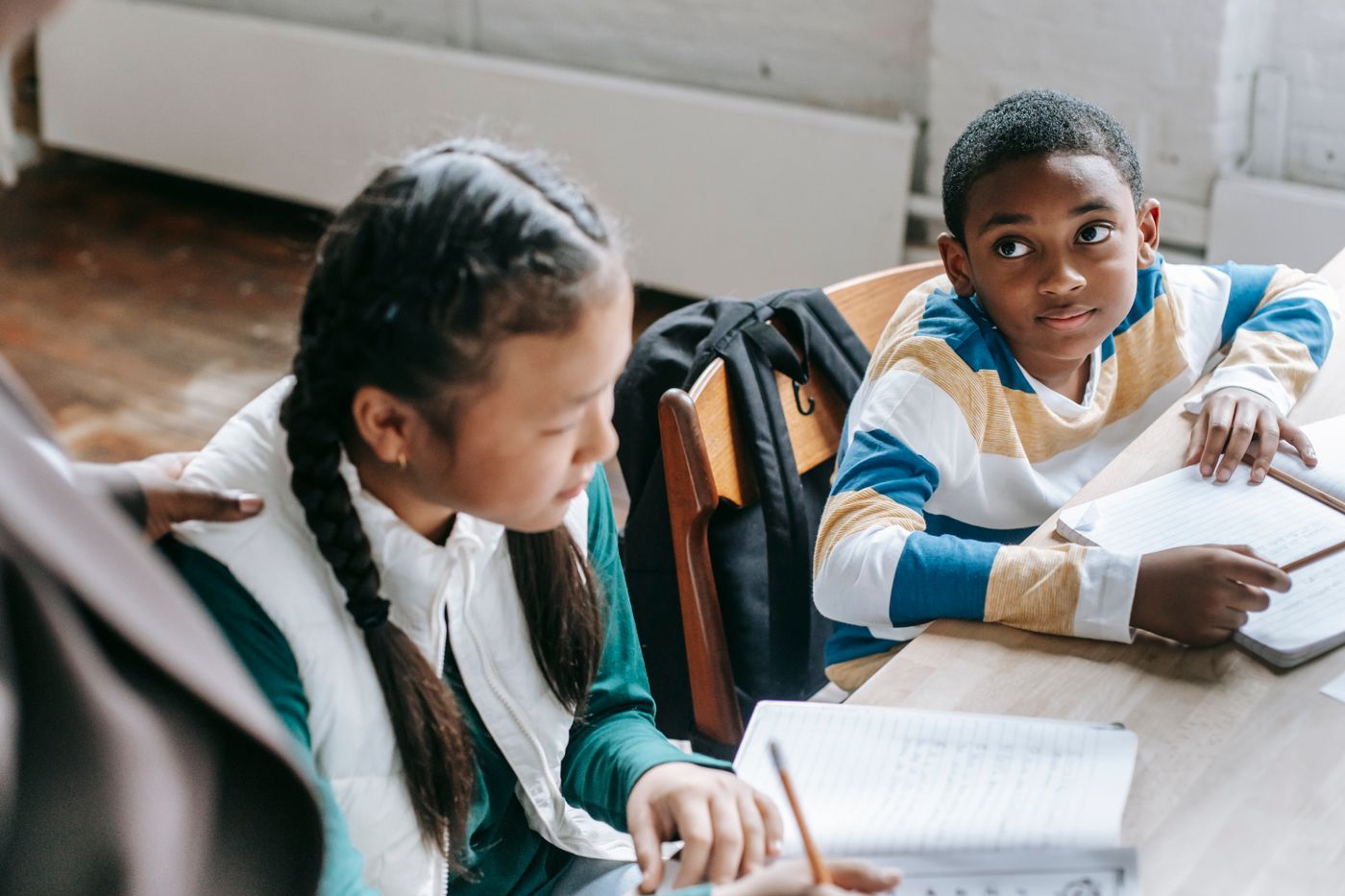 Classroom publishing
Classroom publishing · 5 min read
Turn one shared theme into a project with room for every student’s ideas.
Read the article →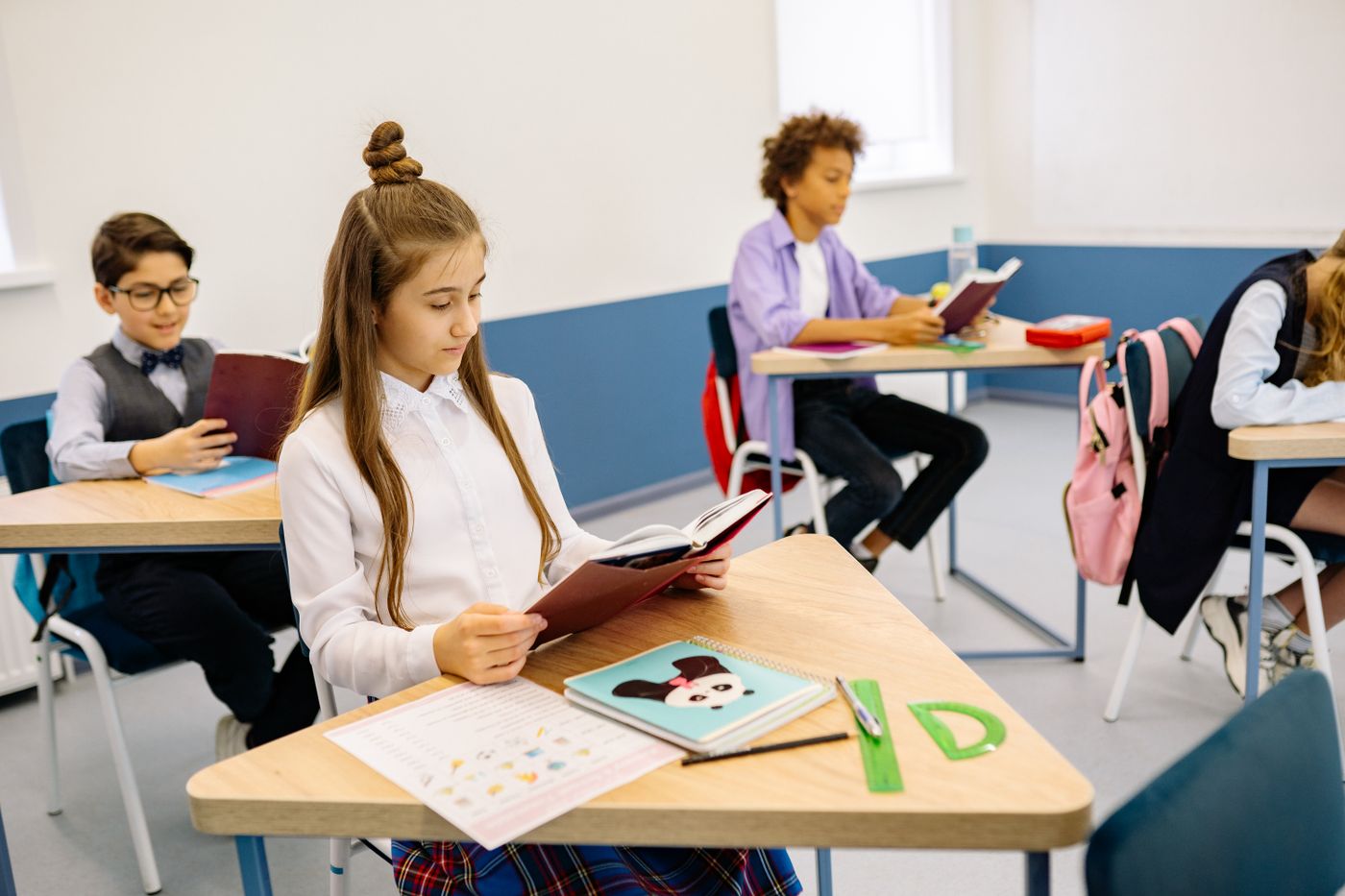 Writing ideas
Writing ideas · 4 min read
A shared theme should connect your class—not make every page sound alike.
Read the article →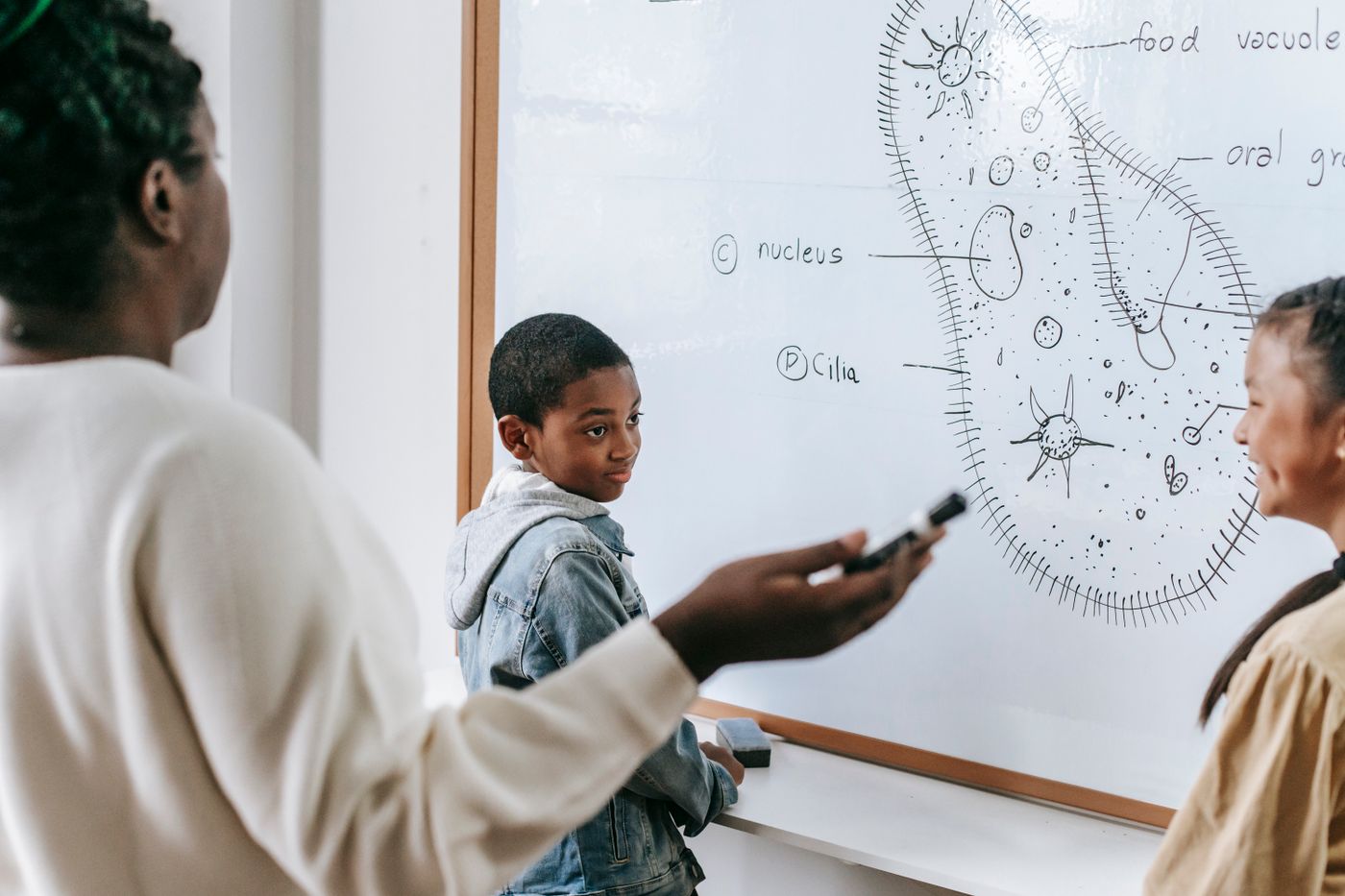 Inclusive classrooms
Inclusive classrooms · 5 min read
Plan contributions through drawing, AAC, dictation, typing, and supported writing.
Read the article →